As private equity and other investors snap up stakes in India’s hospitals and diagnostic chains at a fast clip, Ameer Shahul’s new book asks a simple but urgent question: how long will healthcare remain affordable?
By Ullekh NP
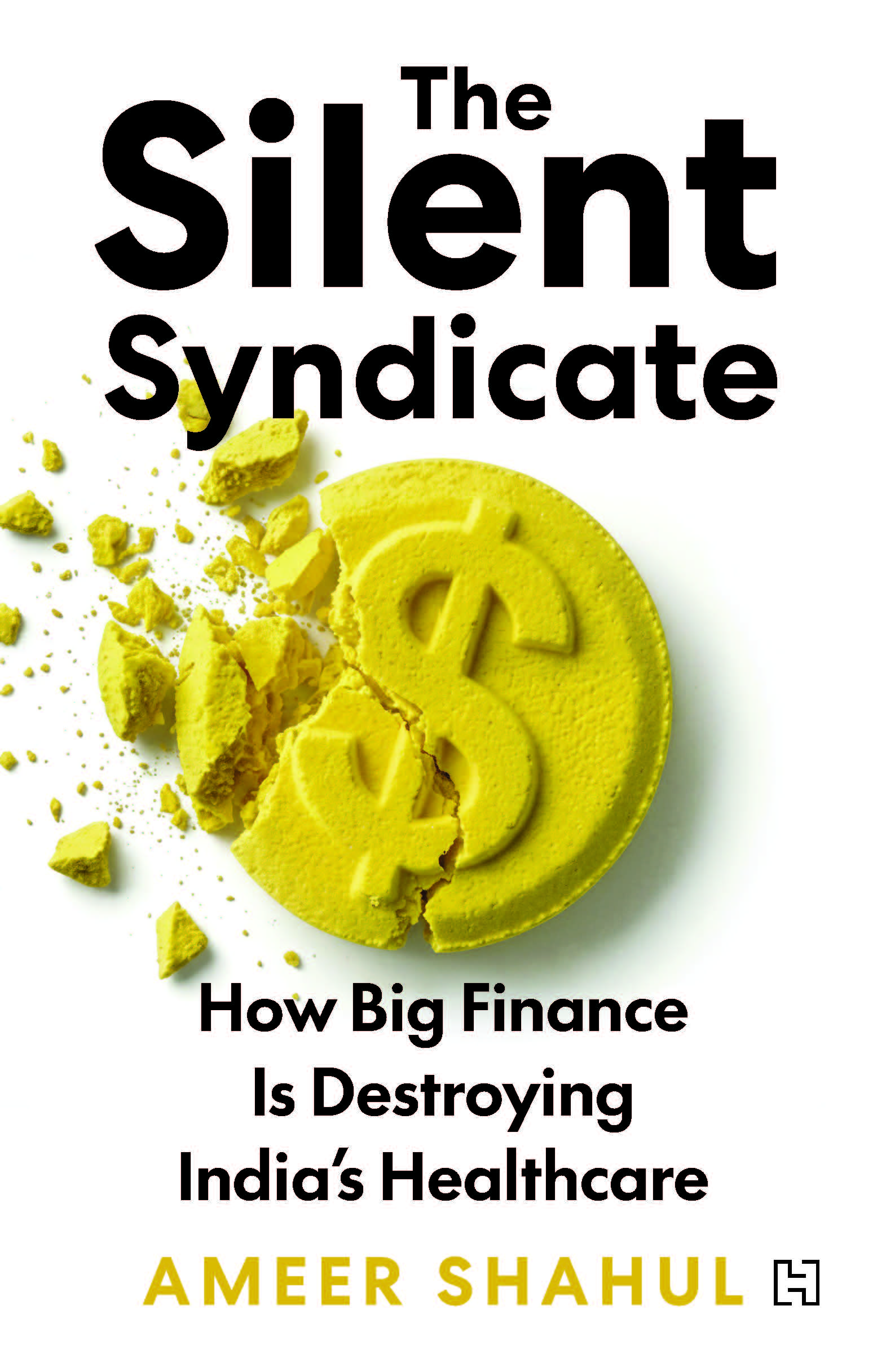
There is a stunning passage in Ameer Shahul’s new book, The Silent Syndicate: How Big FinanceIs Destroying India’s Healthcare, his third, which explores how the relentless drive to maximise profits is making affordable healthcare increasingly out of reach for the majority of Indians:
“From 2005, Western PE firms and sovereign wealth funds began pouring billions of dollars into Indian healthcare. The names read like a who’s who of global big finance – KKR, Carlyle, Blackstone, TPG, Temasek, Bain Capital, Advent International, and so on. Alongside them lined up global pension funds and institutional investors seeking long-term, recession-proof assets in healthcare delivery, pharmaceuticals, and health insurance. Reinsurers such as Munich Re, Swiss Re, and SCOR quietly expanded their footprint, shaping India’s health insurance architecture and claims policies from afar. As was the practice globally, pharmaceutical lobbies and their consulting allies became the intellectual brokers of this transformation, offering advice that promoted ‘business interests ahead of public health and wellbeing’. The strategy no longer emphasized care, concern, or human rights. It was balance sheet arithmetic.”
This is the kind of book many public health correspondents may have wished they had written. Perhaps by the time they conceived the idea, Shahul had already got his book out. A former journalist who later became a public affairs executive with top-notch MNCs before he quit his corporate job to start exposing the avaricious ways of corporations, Shahul’s first book Heavy Metal (2023) was on how Unilever turned Kodaikanal, the ‘princess of hill stations,’ into its profit-acceleration turf even as it contaminated the town’s water bodies, causing serious ailments besides endangering the health of future generations. Then he came out with Vaccine Nation: How Immunization Shaped India (2025), which, as the title suggests, traced the evolution of immunisation in the country.
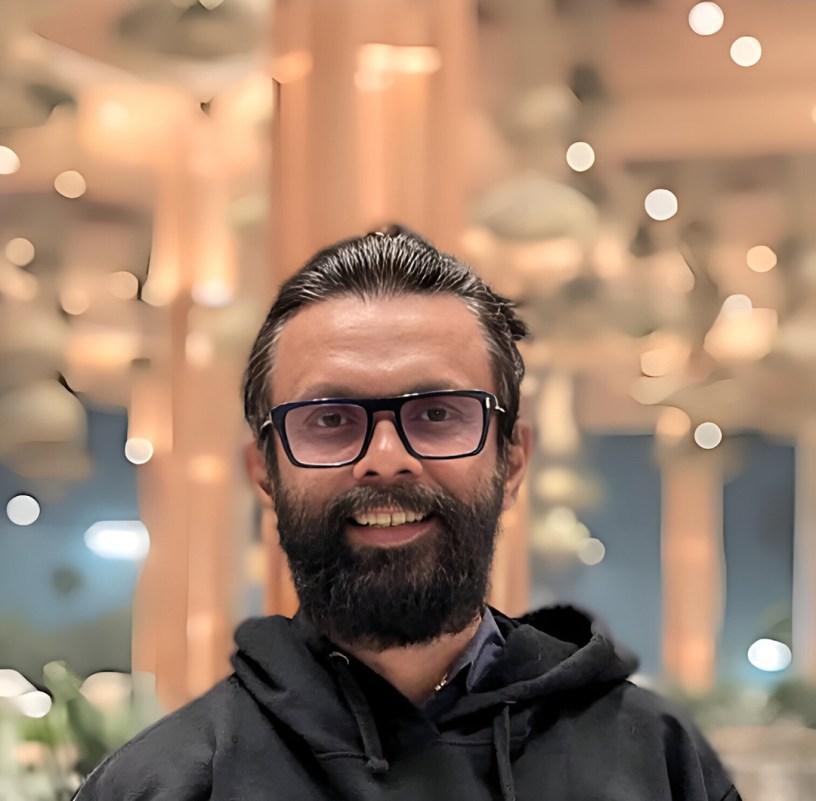
For the author, who had spent years working around public policy, regulation and corporate affairs, the immediate trigger for writing this new book, he says, was personal. “While accompanying a family member through diagnosis and treatment, I experienced the healthcare system from the other side, as a patient relative trying to navigate diagnostic centres, hospitals, pharmacies and insurance. That experience made many of the things I had observed professionally much more tangible… I had seen how industries lobby, how regulations are shaped and how policy decisions can have consequences far beyond the language in which they are announced,” says Shahul, who has also worked in national and international media.
“While researching healthcare, I began to notice something that I found difficult to ignore: the ownership of Indian healthcare is changing rapidly, while the public conversation remained focused largely on access, universal healthcare and insurance reach. That led me to follow the money… What I found was a system of mutually reinforcing global financial interests that was producing profound consequences, negatively impacting the health and wealth of Indian patients. That is why I called the book The Silent Syndicate,” the author notes.
Clearly, judging by the large number of reviews alone, the response to this book has been encouraging, as Shahul explains. “The book seems to have opened a conversation that was hitherto confined to healthcare professionals, investors and policy circles. The central question of the book, how private equity and global finance are reshaping Indian healthcare, has now begun to enter the main conversation,” he says, emphasising that “the litigation initiated by Jan Swasthya Abhiyan and Third World Network before the Supreme Court for the implementation of the Clinical Establishments Act and stronger patient rights has moved into its final stage.”
Shahul ends the book by asking a larger question: “Who is determining the priorities of a healthcare system today—the patient, the clinician, the state or the investor?” Readers of this book would know the answer.
Hachette India; Rs 799

